ICOM IC-A25N Handheld NAV/COM Transceiver w/ Bluetooth – Open Box: Reliable NAV/COM Performance
ICOM IC-A25N Handheld NAV/COM Transceiver w/ Bluetooth – Open Box: Reliable NAV/COM Performance
Blog Article
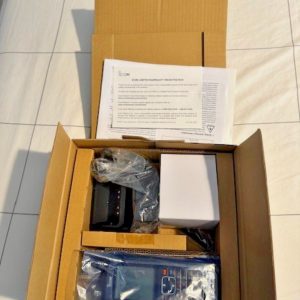
:::writingvariant="document" id="58314" ICOM IC-A25N Handheld NAV/COM Transceiver w/ Bluetooth – Open Box: Versatile Cockpit and Ground Communication The ICOM IC-A25N Handheld NAV/COM Transceiver w/ Bluetooth – Open Box offers practical cockpit, emergency, training, and ground-use functionality in a compact handheld format. A carefully inspected open-box package can offer the operational benefits of a premium handheld aviation radio while helping owners control equipment costs. The ICOM IC-A25N Handheld NAV combines practical portability with features intended to support situational awareness and reliable aviation operations. As an ICOM IC-A25N Aviation Radio, the transceiver may be used during normal flight operations, communication training, airport monitoring, ground here coordination, and emergency preparation. The compact ICOM IC-A25N Handheld Radio may be especially useful for pilots who operate multiple aircraft or frequently travel between airports and training locations. A capable Handheld NAV/COM Aviation Transceiver provides pilots with an integrated solution that can be stored conveniently and accessed quickly. Whether pilots need a Handheld Aviation Radio, Aviation NAV/COM Radio, Pilot Handheld Radio, or portable Aircraft Communication Radio, the complete package should be inspected and tested. The product can support pilots seeking a Portable Aviation Transceiver, Aviation Navigation Radio, ICOM Pilot Radio, or dependable Backup Aircraft Radio.
Understanding the ICOM IC-A25N Handheld NAV/COM Transceiver
This handheld transceiver offers pilots a convenient way to carry aviation communication equipment independently of the aircraft’s installed radio system. The IC-A25N may appeal to users who prioritize strong construction, straightforward operation, and access to aviation functions away from the instrument panel. Real-world results depend on setup, antenna use, radio configuration, location, surrounding structures, and the condition of the complete package. Pilots should test the radio during routine conditions and become familiar with its operation before expecting to use it during an urgent situation.ICOM IC-A25N Handheld NAV Features
The portable design allows pilots to become familiar with radio functions outside the aircraft before using the device in a busy operational environment. Flight schools can use portable radios to support classroom discussions, ramp communication, operational demonstrations, and backup planning. Aviation navigation requires situational awareness, planning, current data, and understanding of aircraft and airspace requirements. The radio should be stored securely so it does not interfere with controls, visibility, passengers, or emergency egress.ICOM IC-A25N Aviation Radio Applications
The handheld unit can support operations during aircraft maintenance, ramp movement, hangar work, or other situations where installed radios are not easily accessible. Maintenance providers may monitor aviation activity while working outside the aircraft or coordinating ground movements. The seller should identify any missing accessories, cosmetic marks, opened packaging, previous testing, warranty status, or differences from a factory-sealed package. Testing should occur in a lawful and appropriate manner without creating unauthorized transmissions or interfering with aviation communications.ICOM IC-A25N Handheld Radio Convenience
Portable operation can be valuable to users who fly several airplane types or who do not control the installed equipment available in every cockpit. Pilots should protect the radio with a suitable case or organized storage compartment to reduce the risk of impact, moisture, connector damage, or accidental control activation. Preparation outside the aircraft supports more confident, efficient, and less distracting use during actual operations. Aircraft cabins and parked vehicles can reach temperatures that may affect batteries, displays, housings, and electronic components.Handheld NAV/COM Aviation Transceiver Benefits
A feature-rich handheld transceiver can provide practical support while remaining compact enough for regular flight-bag use. An open-box package may represent strong value when it includes the equipment required for immediate setup and normal use. A brief function check can identify weak battery performance, loose accessories, damaged connectors, or configuration problems before departure. Regular care supports reliable operation, protects resale value, and reduces the risk of missing components.Handheld Aviation Radio for General Aviation
A Handheld Aviation Radio is a practical tool for private pilots, instructors, students, mechanics, aircraft owners, flight schools, and airport support personnel. The radio can also provide useful redundancy when an installed communication system experiences an unexpected problem. Radio performance can be affected by aircraft structure, cockpit location, antenna orientation, terrain, buildings, interference, weather, and distance. Responsible communication protects aviation operations and helps users gain the full value of a professional handheld radio.Choosing an Aviation NAV/COM Radio
A NAV/COM radio may support pilots who need backup communication while also valuing navigation-oriented information and operating flexibility. Important features should be practiced on the ground before the radio is used during high-workload phases of flight. Users should distinguish between convenience features, backup capability, training value, and equipment required for a particular flight. Paired accessories and Bluetooth connections should be tested so unexpected setup issues do not occur during flight.Choosing a Pilot Handheld Radio
Pilots may carry a handheld radio as part of a broader emergency kit that includes lights, power supplies, charts, tools, and survival equipment appropriate to the flight. A belt clip, protective case, organized side pocket, or approved mounting arrangement may help secure the radio during flight. Training may also include using the radio with gloves, in reduced light, with a headset, or in a noisy cockpit environment. Battery condition should be reassessed as the pack ages or shows reduced capacity, charging problems, unusual heat, or physical changes.Choosing an Aircraft Communication Radio
An Aircraft Communication Radio supports communication between pilots, air traffic services, other aircraft, flight instructors, and authorized ground personnel. A strong transceiver cannot compensate for poor microphone technique, excessive background noise, incorrect frequency selection, or unclear messages. A portable radio may operate differently from the aircraft’s main communication system because antenna size, antenna position, output, and cockpit shielding can affect performance. Qualified repair or manufacturer-supported service may be appropriate for electronic problems that cannot be corrected through normal setup.Choosing a Portable Aviation Transceiver
The ability to carry the radio personally helps operators maintain access to familiar controls and stored settings. A portable unit is easier to transport than installed avionics, but it also requires careful management of batteries, antennas, chargers, cables, and accessories. Wireless connectivity may help pilots integrate the radio into a preferred communication setup when paired equipment is supported and configured correctly. Wireless convenience should not replace disciplined equipment checks and familiarity with standard radio controls.Choosing an Aviation Communication Device
A professional handheld radio may serve private pilots differently from flight schools, maintenance shops, airport staff, or commercial operators. Open-box equipment should be compared carefully with new and used alternatives because condition, warranty, packaging, and completeness may vary. Equipment logs can improve accountability when several instructors, pilots, or technicians share one transceiver. Training should cover normal communication, navigation-related functions, emergency use, battery care, Bluetooth setup, and storage.Choosing a Handheld Aircraft Radio
Ground teams may use appropriate handheld equipment during coordinated activities where aviation communication is required and authorized. A handheld unit allows maintenance personnel to confirm communication-related information while aircraft power remains disconnected. A planned storage position supports fast retrieval while protecting the radio and aircraft interior. Consistent care helps a Handheld Aircraft Radio transition reliably between cockpit, hangar, ramp, and storage use.Aviation Navigation Radio Applications
The IC-A25N may appeal to pilots who want more than communication capability from their handheld flight-bag radio. A demonstration or careful manual review can help users understand displays, menus, stored information, and navigation-related controls. The device should become part of a layered navigation and communication strategy rather than the sole source of critical information. Users should remove outdated memories or clearly organize frequencies to reduce confusion during operation.Choosing an ICOM Pilot Radio
An ICOM handheld can become a standard part of a flight bag for pilots who regularly operate rented, shared, or personally owned aircraft. A complete and well-documented package can be more valuable than a lower-priced unit missing essential equipment. The device should support the pilot’s normal workflow rather than requiring accessories or procedures that are inconvenient or incompatible. A protective case and consistent charging routine can help preserve the equipment and prevent missing accessories.Choosing an Emergency Aviation Radio
Emergency value depends on the radio being charged, accessible, configured, and familiar to the pilot before a problem occurs. A written quick-reference guide may help, but it should remain simple enough to use without creating distraction. The pilot should know how to operate the radio directly if a paired headset or wireless accessory fails. The radio should be tested periodically without making unauthorized transmissions or interfering with operational frequencies.Choosing a Backup Aircraft Radio
The IC-A25N offers portable communication and navigation-oriented functions that can support a layered aviation equipment strategy. A backup device should not be neglected simply because it is not used during every flight. A simple and familiar arrangement is generally more useful during an abnormal situation than a complicated setup that has not been practiced. Aviate, navigate, and communicate priorities remain essential whenever communication equipment problems occur.Buying an Open-Box ICOM IC-A25N
An open-box ICOM IC-A25N should be inspected for cosmetic condition, display quality, button response, antenna security, battery fit, connector condition, and evidence of previous use. The seller should identify whether original packaging, manuals, warranty materials, and product registration documents remain available. Navigation and communication menus should respond normally without freezing, unexpected shutdowns, or intermittent controls. The radio should be protected from impact, moisture, static, loose movement, and pressure during transportation.Maintaining a Portable NAV/COM Transceiver
The radio should be inspected according to usage frequency, storage duration, operating environment, and the importance of its backup role. Reliable readiness comes from planned inspection, charging, practice, and responsible storage.- Inspect the radio body, display, antenna, battery, charger, controls, connectors, clips, cables, and included accessories before important operations.
- Review essential controls on the ground so the radio can be operated confidently without unnecessary cockpit distraction.
- Protect the equipment from extreme temperature, direct sunlight, moisture, fuel, oil, cleaning chemicals, heavy tools, and accidental impact.